Heavy equipment is used across construction, mining, agriculture, infrastructure development, material handling and other industrial activities. Excavators, bulldozers, wheel loaders, graders and other machines depend on many individual components to perform demanding tasks. When one component becomes worn or damaged, the performance, reliability and operating efficiency of the equipment can be affected.
Understanding heavy equipment parts helps equipment owners, operators and maintenance professionals identify important components and understand their functions. From engines and hydraulic systems to undercarriage components and electrical systems, every part contributes to the overall operation of a machine. This guide explains the major categories of heavy equipment parts, their functions and important maintenance considerations.
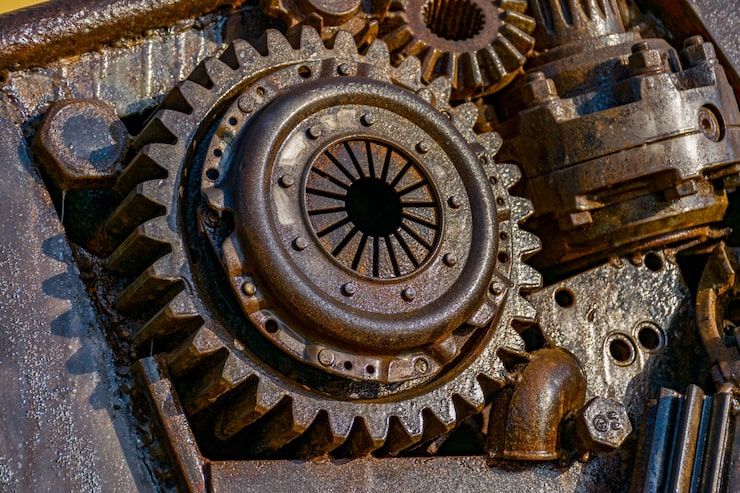
What Are Heavy Equipment Parts?
Heavy equipment parts are the individual mechanical, hydraulic, electrical and structural components used in construction and industrial machinery. These parts can include large assemblies such as engines and hydraulic pumps as well as smaller components such as seals, bearings, filters, hoses and sensors.
Different machines require different component designs because operating conditions vary between construction sites, mines, agricultural fields and industrial facilities. Equipment specifications, operating loads and manufacturer requirements are therefore important considerations when identifying a suitable component.
Major Types of Heavy Equipment Parts
Engine Components
The engine is one of the most important systems in heavy machinery because it provides the power required for movement and operation. Engine-related components can include pistons, cylinder liners, crankshafts, connecting rods, fuel injectors, turbochargers, filters and cooling-system components.
Regular inspection of engine components can help identify problems such as excessive wear, overheating, unusual noise or reduced performance. Proper lubrication and maintenance are also important for reducing unnecessary component wear.
Hydraulic Components
Hydraulic systems are widely used in excavators, loaders, cranes and other construction machinery. They transfer hydraulic pressure to cylinders, motors and other mechanisms that perform lifting, digging and movement functions.
Common hydraulic equipment parts include hydraulic pumps, cylinders, valves, hoses, fittings, seals and hydraulic filters. Hydraulic fluid contamination, damaged seals and worn hoses can affect system performance and may lead to equipment downtime.
Undercarriage Components
The undercarriage supports tracked machinery and is exposed to substantial loads, vibration and contact with the ground. Excavators, crawler dozers and other tracked machines commonly use components such as tracks, rollers, idlers, sprockets and track chains.
Because undercarriage components operate in demanding environments, inspection is important. Excessive wear can influence machine movement, stability and operating efficiency.
Electrical and Electronic Components
Modern heavy machinery increasingly uses electrical and electronic systems for monitoring, control and machine operation. Important components can include batteries, alternators, starters, sensors, wiring harnesses, controllers and display systems.
Electronic monitoring systems can provide information about engine conditions, hydraulic pressure, temperature and other operating parameters. Diagnosing electrical problems often requires equipment-specific service information and appropriate diagnostic tools.
Cooling System Components
Heavy equipment engines generate considerable heat during operation. Cooling systems help maintain appropriate operating temperatures through components such as radiators, water pumps, thermostats, fans, belts and hoses.
A damaged hose, blocked radiator or malfunctioning cooling component can contribute to overheating. Regular inspection can help identify leaks, contamination and other problems before they affect machine operation.
Filtration Components
Filters help protect machinery systems from contaminants. Depending on the equipment, filters may be used for engine oil, fuel, hydraulic fluid and air.
Replacing filters according to the equipment manufacturer's maintenance recommendations can help maintain fluid cleanliness and protect sensitive components. Operating conditions can also influence how frequently filters require inspection or replacement.
Why Heavy Equipment Parts Matter
Heavy machinery often operates under demanding conditions involving high loads, vibration, dust, moisture and temperature changes. Components must therefore work together reliably to maintain normal machine operation.
A worn component can sometimes affect other connected systems. For example, an undercarriage problem may influence machine movement, while a hydraulic leak can affect lifting or digging functions. Understanding component relationships can make equipment inspection and maintenance more systematic.
How to Identify the Correct Equipment Part
Check the Machine Model
The equipment model and configuration are important starting points when identifying a component. Similar machines may use different specifications depending on their production year, configuration or application.
Verify the Part Number
A manufacturer's part number can provide a more precise method of identifying a component. When available, the part number should be checked against reliable equipment documentation.
Consider Component Specifications
Dimensions, material, operating pressure, capacity and compatibility can vary between components. Technical specifications should therefore be reviewed rather than relying only on appearance.
Review Equipment Documentation
Operator manuals, maintenance manuals, parts catalogs and technical documentation can provide useful information about component identification and maintenance requirements.
Heavy Equipment Parts and Preventive Maintenance
Preventive maintenance involves inspecting equipment and addressing maintenance requirements before a minor problem develops into a larger mechanical issue. This approach can include checking fluid levels, inspecting hoses, examining belts and monitoring component wear.
Maintenance records can also help identify recurring problems. Recording inspection dates, component changes and observed conditions provides useful information for future maintenance planning.
Common Signs of Component Wear
Heavy equipment can provide several indications when a component requires attention. Unusual vibration, fluid leakage, abnormal noise, reduced hydraulic performance and changes in engine operation can all indicate potential mechanical issues.
Visible cracks, excessive play, damaged hoses, worn tracks and unusual component movement should also be investigated. The specific cause should be determined through appropriate inspection rather than assuming that one symptom always indicates the same component failure.
Factors Affecting Heavy Equipment Part Life
Operating Environment
Dust, mud, water, abrasive materials and extreme temperatures can influence component wear. Equipment used in mining or heavy construction may experience different wear patterns from machinery operating in less demanding environments.
Machine Workload
Operating equipment continuously under high loads can place additional stress on mechanical and hydraulic components. Correct operation within the machine's rated specifications is important for component longevity.
Maintenance Practices
Lubrication, filtration, fluid management and regular inspections can influence the condition of many equipment components. Maintenance intervals should follow the manufacturer's recommendations and account for operating conditions where applicable.
Installation Quality
Even a suitable replacement component can perform poorly if it is incorrectly installed. Installation should follow appropriate technical procedures, including required torque specifications, alignment requirements and cleanliness standards.
Heavy Equipment Parts for Different Machines
Excavator Parts
Excavators use a combination of hydraulic, engine, electrical and structural components. Common categories include hydraulic cylinders, pumps, hoses, buckets, swing components, track assemblies, filters and engine components.
Bulldozer Parts
Bulldozers require robust undercarriage and powertrain components because they commonly operate under substantial pushing loads. Track chains, rollers, sprockets, blades and hydraulic components are important areas for inspection.
Wheel Loader Parts
Wheel loaders depend on engine, transmission, hydraulic and steering systems. Bucket components, hydraulic cylinders, tires, axles and filtration systems are among the areas that can require regular inspection.
Motor Grader Parts
Motor graders use specialized components for grading and material handling applications. Blades, cutting edges, hydraulic components, steering components and undercarriage or wheel-related systems can influence machine performance.
Understanding OEM and Replacement Parts
Equipment components can generally be discussed in terms of original equipment manufacturer components and replacement alternatives. The appropriate choice depends on factors such as equipment specifications, compatibility, technical requirements and maintenance policies.
Regardless of the component category, specifications and compatibility should be verified before installation. Using an incorrect component can create operational or maintenance problems.
Heavy Equipment Parts Maintenance Checklist
A structured maintenance routine can help keep equipment components in suitable operating condition. Important areas to consider include:
- Inspecting hydraulic hoses and connections
- Checking engine fluid levels
- Examining filters and service indicators
- Monitoring undercarriage wear
- Inspecting belts and cooling-system components
- Checking electrical connections
- Looking for unusual leaks or noises
- Recording maintenance activities
- Reviewing manufacturer maintenance intervals
- Investigating warning indicators promptly
Trends in Heavy Equipment Components
Heavy equipment is becoming increasingly connected through electronic monitoring, telematics and machine-control technologies. Sensors and onboard systems can provide information about equipment operation and component conditions.
Another development is the growing use of predictive maintenance approaches. Instead of relying only on fixed maintenance intervals, equipment data can help maintenance teams identify unusual operating patterns and investigate potential issues earlier.
These technologies are particularly relevant as construction and industrial organizations focus on equipment utilization, maintenance planning and operational efficiency.
Conclusion
Heavy equipment parts form the foundation of reliable construction and industrial machinery. Engines, hydraulic systems, undercarriage components, electrical systems, cooling components and filters all have specific roles in machine operation.
Understanding these components makes it easier to recognize wear, follow maintenance procedures and identify the correct specifications when a component requires attention. Regular inspection, accurate part identification and adherence to manufacturer recommendations can contribute to more consistent equipment operation and better maintenance planning.